 how-to
5 Steps to Get an Instant Florida Auto Insurance Quote
Last Updated: November 1, 2026
Quick Summary
To get instant auto insurance quote in Florida, have your license number, each vehicle's VIN, your current policy details, and driver information ready, then submit a short online form. Compare quotes at identical coverage limits, deductibles, and total annual cost, not just the monthly payment. Florida requires Personal Injury Protection and Property Damage Liability, so confirm both are included in every quote.
- Gather your driver's license number, each vehicle's VIN, and your current policy expiration date first.
- Estimate annual mileage from your odometer or last service record, since mileage affects your rate.
- Florida requires Personal Injury Protection (PIP) and Property Damage Liability (PDL) coverage.
- Set identical coverage limits and deductibles across quotes before comparing prices.
- Compare total annual premium including fees rather than the monthly payment.
Table of Contents
- What You Need Before You Start Your Florida Quote
- How to Get an Instant Auto Insurance Quote Online in Florida
- Getting a Quote Without Your Street Address or Full Details
- How to Compare Auto Insurance Quotes Side by Side
- Florida Coverage Requirements and Proof of Insurance
- Common Quoting Mistakes That Change Your Rate
- Booking Your Florida Policy and Getting Covered Today
- Frequently Asked Questions
Getting an instant auto insurance quote in Florida is usually quick if you have the right information ready. At MK Insurance Services, we work with 40+ insurance companies, so one request can show you several options side by side. The steps below walk you through the process, from gathering your details to choosing a policy.
What You Need Before You Start Your Florida Quote
Before you open a quote form, gather the details the carrier will ask for. Most forms request the same core information, so having it ready prevents stops and restarts.
Here is what to have on hand:
- Your driver's license number and the state that issued it
- The vehicle identification number (VIN) for each car
- The year, make, and model of each vehicle
- Your current insurance policy, if you have one, including the expiration date
- The names and birth dates of every licensed driver in your household
- Your estimated annual mileage, which often affects the price
A common mistake is guessing at the mileage. Check your odometer or your last service record instead. Rates are tied to how much you drive, so a rough guess can shift the number you see.
How to Get an Instant Auto Insurance Quote Online in Florida
To get instant auto insurance quote in Florida, start with a short online form, usually on a carrier's website or an independent agency's site.
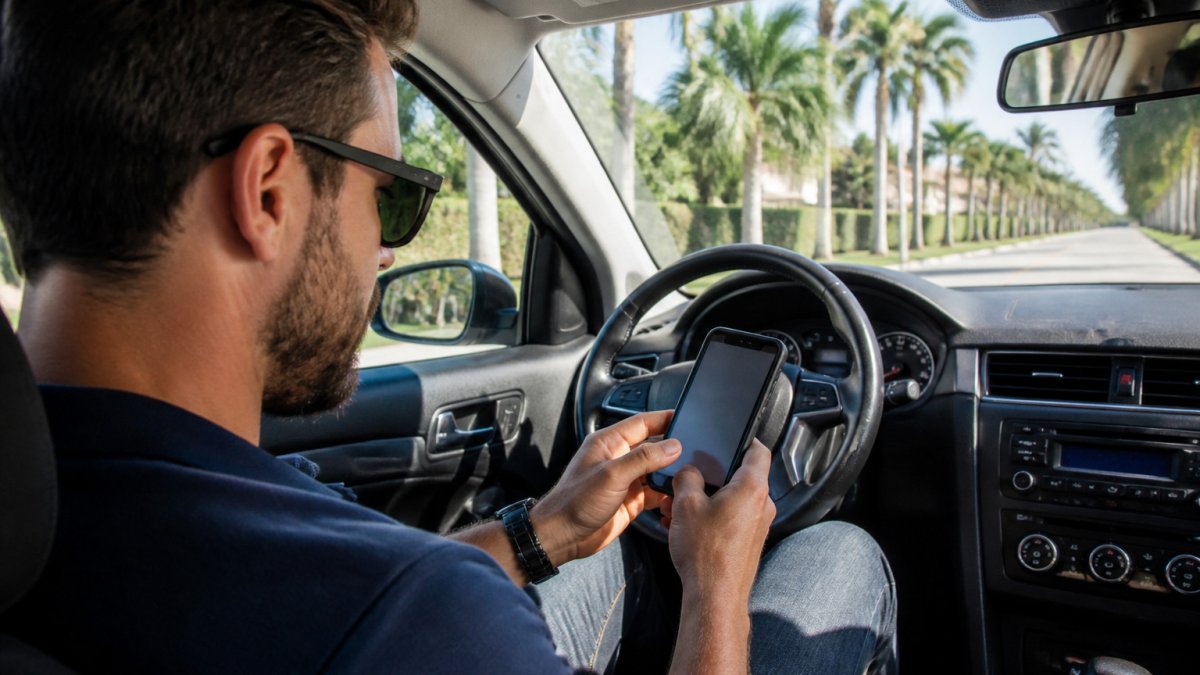
Once you submit, you should see a range of options within minutes. Compare the coverage limits, not just the monthly price.
Florida requires drivers to carry Personal Injury Protection (PIP) and Property Damage Liability (PDL) coverage. For the current minimum requirements, check the official guidance from the Florida Department of Highway Safety and Motor Vehicles.
Getting a Quote Without Your Street Address or Full Details
Some forms ask for a street address and a full driving history before they return a price. If you do not have every detail, you can still start with what you know.
Be careful with estimates. Entering a clean record when you have a past claim, or leaving out a licensed driver, can lead to a higher premium once the carrier verifies the information. Accurate answers protect you from a surprise rate change after you buy.
How to Compare Auto Insurance Quotes Side by Side
A quote is only useful if you can line it up against another quote on equal terms. Carriers present prices differently, some show a six-month premium, some show monthly, some bundle fees into the first payment, so the same coverage can look cheaper or more expensive than it really is. Before you compare totals, normalize every quote to the same coverage structure.
Step 1: Lock the coverage limits
Set every quote to identical limits before you look at price. In Florida, the required coverages are Personal Injury Protection (PIP) and Property Damage Liability (PDL), but most drivers also carry Bodily Injury Liability (BI) and uninsured/underinsured motorist (UM/UIM) coverage. A quote with $10,000 PDL and no BI is not comparable to one with $100,000/$300,000 BI and $50,000 PDL, even if the monthly numbers look similar.
Write down the exact limits for each quote:
- PIP limit (check the current state minimum with the official source)
- PDL limit
- BI limit per person / per accident
- UM/UIM limit, if included
- Medical payments (MedPay), if included
Step 2: Match deductibles
Collision and comprehensive deductibles drive a large part of the premium. A $500 deductible quote and a $2,000 deductible quote are not the same product. Ask each carrier to quote the same deductible, commonly $500 or $1,000, so the price difference reflects the insurer, not the deductible.
Step 3: Align optional coverages
Optional add-ons change the total quickly. Decide which ones you actually want, then apply them consistently:
- Rental reimbursement
- Roadside assistance
- Gap coverage (for financed or leased vehicles)
- OEM parts coverage
- Accident forgiveness
If one quote includes rental reimbursement and another does not, add the cost of the missing coverage to the cheaper quote before you compare.
Step 4: Compare total cost, not monthly payment
Convert every quote to the same time frame. A six-month premium of $900 is $150 per month, but if the carrier requires a larger down payment or charges installment fees, the true first-year cost is higher. Ask for the total annual premium and any fees:
- Down payment required
- Installment fee per payment
- Policy fee
- Any discount that expires after the first term
Step 5: Check the discounts and credits
Discounts are not always applied automatically. Confirm which credits each quote includes, multi-policy, multi-vehicle, safe-driver, paid-in-full, paperless, and telematics, and whether any of them require action on your part, such as completing a defensive driving course or enrolling in a usage-based program.
Step 6: Build a comparison table
Use a simple table so the differences are visible. Fill in the same fields for every quote:
| Coverage Item | Quote A | Quote B | Quote C |
|---|---|---|---|
| PIP limit | |||
| PDL limit | |||
| BI limit (per person / per accident) | |||
| UM/UIM limit | |||
| Collision deductible | |||
| Comprehensive deductible | |||
| Rental reimbursement | |||
| Roadside assistance | |||
| Total six-month premium | |||
| Total annual premium with fees | |||
| Discounts applied |
Step 7: Read the policy terms, not just the price
Two quotes with identical limits can still differ in how claims are handled. Ask about the carrier's claims process, whether it uses original equipment manufacturer (OEM) parts or aftermarket parts, and whether it offers a local agent or only a call center. These details matter when you actually file a claim.
Once the table is complete, rank the quotes by total annual cost for the coverage you want, not by the lowest monthly number. That ranking is the one you can defend if you need to switch carriers later.
Florida Coverage Requirements and Proof of Insurance
Florida's mandatory coverage is the foundation of every policy, but the rules go beyond naming two coverages. Drivers must carry proof of insurance, respond to verification requests, and avoid a lapse, and each of those steps affects what you pay and whether you stay compliant.
The required coverages
Florida requires two coverages for private passenger vehicles:
- Personal Injury Protection (PIP): covers a portion of medical bills and lost income regardless of fault. Confirm current limits with the official source.
- Property Damage Liability (PDL): $10,000 per accident, covering damage you cause to another person's property.
Bodily Injury Liability (BI) is an optional coverage that many drivers choose to carry, since without it you may be personally responsible for another driver's medical costs after an at-fault accident with serious injuries. Many drivers also add uninsured/underinsured motorist (UM/UIM) coverage.
Proof of insurance: what you must carry
Florida drivers must have proof of insurance in the vehicle at all times. Acceptable proof includes:
- A paper insurance card from your carrier
- A digital insurance card saved to your phone
- A copy of your policy declarations page
You must show proof when requested by law enforcement during a traffic stop or after an accident.
What happens after a lapse
A lapse in coverage, even a short one, can raise your premium when you reapply. Carriers view a gap as higher risk, and some will charge a higher rate for several years. If you are switching insurers, bind the new policy before canceling the old one so there is no gap between effective dates.
Higher limits and filings after a violation or accident
Some drivers are required to carry higher limits or file proof of financial responsibility (an SR-22 or FR-44) after certain violations, such as a DUI or driving without insurance. If that applies to you, confirm the exact filing requirement with your agent before you buy.
How to verify your coverage is active
After you bind a policy, confirm the following before you drive:
- The effective date and time match when you need coverage
- Your vehicle identification number (VIN) and driver details are correct
- Your digital insurance card is available in your carrier's app
- The state has recorded your coverage, if verification is required
For the current minimum requirements and proof-of-insurance rules, check the official guidance from the Florida Department of Highway Safety and Motor Vehicles and the Florida Statutes on motor vehicle insurance. You can also read what PIP insurance in Florida covers and how much you need.
What to expect after you submit a quote request
Submitting a quote form does not bind coverage. After you choose a policy, you will typically receive a follow-up call or email to confirm your details, take payment, and set the effective date. Ask how your information will be used and whether you will receive marketing messages. If you do not want calls, tell the agent up front so the follow-up matches your preference.
Common Quoting Mistakes That Change Your Rate
Several quoting errors cause the most problems later. Avoid these:
- Listing the wrong ZIP code. Rates can vary by location, so the garaging address matters.
- Leaving out a driver. Any licensed person who lives with you is usually expected on the policy.
- Understating mileage. Higher annual mileage raises the price.
- Skipping a coverage gap. Going without insurance, even briefly, can increase future rates.
Watch out: if you let a policy lapse, you may face a higher premium when you reapply, so compare quotes before your current policy expires.
Booking Your Florida Policy and Getting Covered Today
Once you choose a quote, coverage can begin as soon as payment is completed. Confirm the effective date and the policy number before you leave the page, and save your digital insurance card right away.
If you want help comparing options, MK Insurance Services can review your quotes with you and explain the coverage differences. You can also get a Florida auto insurance quote to start your policy, or explore auto insurance options for Florida drivers before you decide. Our team is available on weekdays until 8 PM.
Frequently Asked Questions
How can I get an instant auto insurance quote in Florida?
Most Florida drivers can get an instant auto insurance quote online in a few minutes by entering their driver details, vehicle information, and current coverage. Have your driver's license, vehicle identification number, and current policy declarations page ready. Quotes can also be requested by phone with a licensed agent, who can compare several carriers at once and explain the options. Quotes from independent agencies typically reflect offers from multiple insurers, which makes side-by-side comparison easier.
What information do I need to get a car insurance quote?
You will typically need your full name, date of birth, driver's license number, the address where the vehicle is garaged, and the year, make, and model of each car. Vehicle identification numbers help confirm details, and your current policy declarations page lets an agent match or beat your existing coverage. Also be ready to report your driving history, including any accidents or violations in the past several years, since these affect pricing and carrier eligibility.
Can I get a car insurance quote without an address?
A complete garaging address is usually required because rates in Florida vary by ZIP code. If you have not yet settled on a home, you can request a quote using the address where the vehicle will be kept most of the time, or ask an agent how they handle temporary situations. Providing an inaccurate address can lead to a denied claim or a canceled policy, so use the correct location before purchasing.
Does getting a car insurance quote affect my credit score?
In most cases, getting an auto insurance quote does not affect your credit score because insurers generally do not perform a hard credit inquiry at the quote stage. Some carriers may use credit-based insurance information when setting rates, depending on Florida rules and the company's underwriting. Ask the agent which factors were used so you understand how your quote was calculated before you buy.